
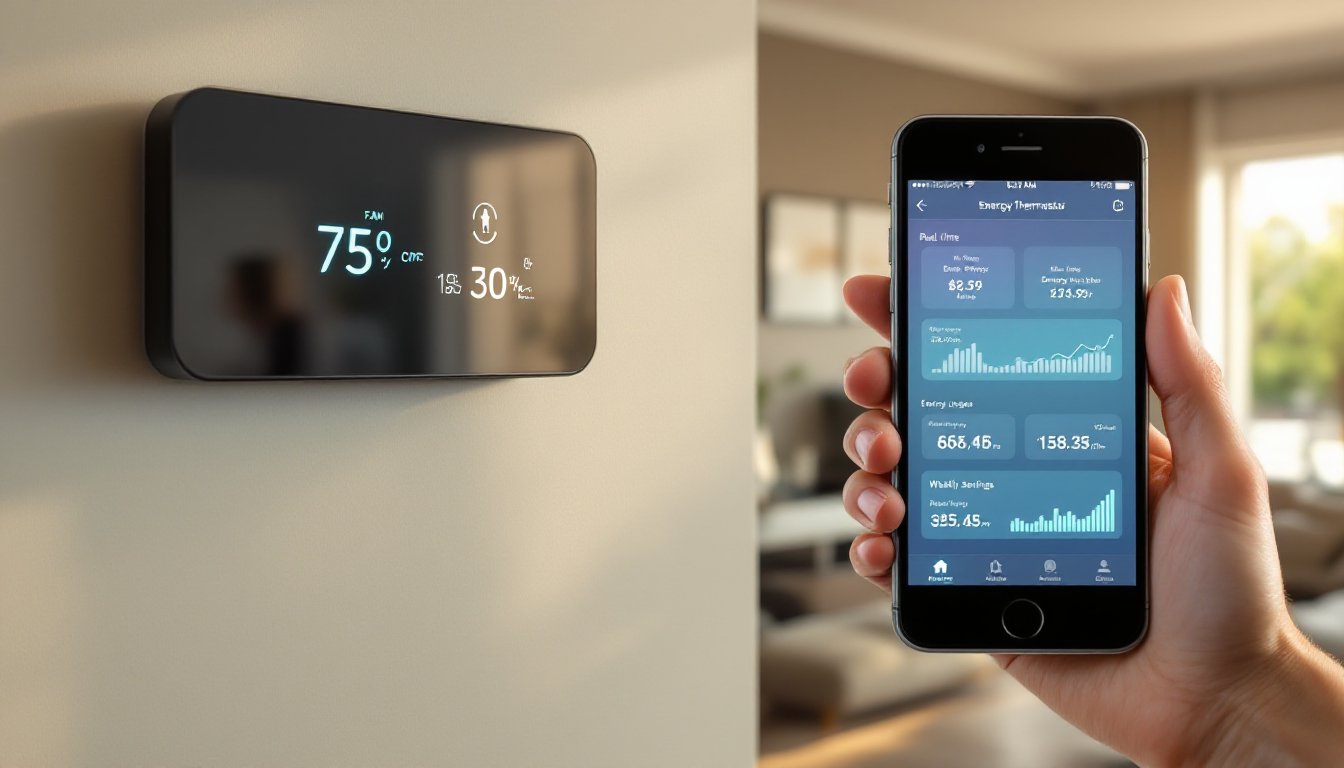

The thermostat has quietly become one of the most practical upgrades a homeowner can make. Unlike flashy smart home gadgets that gather dust, a smart thermostat works 24/7 to reduce energy waste, lower monthly bills, and keep the house comfortable without fuss. In 2026, modern smart thermostats aren’t just novelties, they’re legitimate tools that integrate with existing HVAC systems and deliver real returns on investment. Whether a homeowner is tired of manually adjusting temperatures or wants concrete data on energy consumption, a smart thermostat addresses both comfort and cost. The best part: installation fits within most DIYers’ skill range, and the payoff often shows up on the next utility bill.
Key Takeaways
- A smart thermostat can reduce energy bills by 10–15% within the first year by automatically adjusting heating and cooling based on occupancy, outdoor temperature, and daily routines.
- Modern smart thermostats use machine learning to adapt to household preferences and eliminate manual programming, automatically adjusting temperatures as schedules change.
- Remote access through smartphone apps allows homeowners to control temperature from anywhere, prevent unnecessary energy use, and receive alerts about HVAC system issues.
- Smart thermostat integration with security systems and early detection of unusual HVAC behavior adds a safety layer by catching system failures before expensive repairs become necessary.
- Real-time energy monitoring breaks down heating and cooling consumption by day or week, exposing inefficiencies and providing concrete feedback that motivates continued efficiency improvements.
- A smart thermostat seamlessly integrates with other smart home devices and voice assistants, enabling automated routines and hands-free control without needing a smartphone app.
Reduce Your Energy Bills Significantly
A smart thermostat cuts energy waste by learning heating and cooling patterns and adjusting automatically. Most homeowners see 10–15% savings on heating and cooling costs within the first year, sometimes higher if they’ve been manually running their system year-round. The device tracks outdoor temperature, time of day, and occupancy to avoid heating or cooling an empty house.
The key is the programmable schedule. A homeowner can set the thermostat to lower the temperature by 7–10 degrees Fahrenheit during sleep hours or when nobody’s home. That small difference over 8+ hours daily adds up significantly over months. Some models use AI-driven “learning” to anticipate comfort needs without requiring manual input. Over a heating season, even conservative scheduling often offsets the device’s purchase price.
Real-world data matters here. A typical smart thermostat shows energy reports via a smartphone app, breaking down when heating or cooling ran and how much power it consumed. That transparency makes it easier to spot wasteful patterns, like the living room radiator that runs all night even though nobody being upstairs. Once visible, those habits become easier to change, and the thermostat’s adjustments reinforce efficiency automatically.
Learn Your Comfort Preferences Automatically
Modern smart thermostats use machine learning to adapt to a household’s natural temperature preferences without manual tweaking each week. After 1–2 weeks of operation, the device learns when people wake, leave for work, return home, and sleep. It then automatically adjusts heating or cooling to match those routines, maintaining comfort while avoiding energy waste during empty hours.
This “self-programming” removes the guesswork. Unlike older programmable thermostats that require poking at tiny buttons or navigating clunky menus, a smart thermostat watches actual behavior and builds a schedule that fits real life, not an idealized routine. If someone works irregular hours, travels frequently, or has seasonal schedule changes, the device adapts over time. Many models also let users override the schedule anytime via a smartphone app, so comfort never depends on the thermostat’s “guesses.”
Geofencing is another layer. Some smart thermostats integrate with a user’s phone location, automatically adjusting temperature when everyone leaves the house and warming it back up 30 minutes before the first person arrives home. That means no coming back to a chilly living room in winter or a hot kitchen in summer. It’s passive comfort, the house is already at the preferred temperature by the time the door opens.
Control Your Home Temperature Remotely
Remote access is one of the most practical daily benefits. A homeowner stuck in traffic can adjust the temperature from their car. If a house sits empty during a cold snap, they can warm it from the office. Forgot to cool the bedroom before bed? A quick tap on the phone solves it, no walking downstairs at midnight.
This flexibility also prevents unnecessary energy use. If plans change and someone won’t be home for another two hours, they can adjust the thermostat rather than coming home to an overheated or overcooled space. Over time, this on-demand control adds up. Some people even preempt temperature swings: lowering heat 15 minutes before leaving, raising it slightly before morning routines. It’s small adjustments, but multiplied across 365 days, they matter.
Remote access also helps with troubleshooting. If the furnace stops working while a homeowner is away, they see the alert on their phone immediately and can contact a professional before returning home. The app typically shows whether the system is running, the current temperature, and humidity levels, useful diagnostics before calling a technician. That early warning can prevent frozen pipes in winter or heat damage in summer.
Boost Home Security and Safety
A smart thermostat adds a subtle but real security layer. If someone leaves for vacation and forgets to adjust heating for an empty house, they can remotely prevent the system from running unnecessarily, a sign of occupancy theft protection. Likewise, the device can detect unusual activity: if the furnace suddenly kicks into high-demand heating in July, or cooling spikes at 3 a.m., it sends an alert that something’s wrong.
From a safety angle, smart thermostats catch HVAC problems early. A heating system that runs constantly but doesn’t bring the temperature up might indicate a crack in ductwork, a failing component, or inadequate insulation. Instead of discovering the failure mid-season, the app alerts the homeowner to abnormal runtime. Catching problems early prevents emergency service calls and more expensive repairs. A furnace that’s caught at 70% efficiency before it fails entirely saves thousands.
Some models also integrate with smart home security systems, adjusting temperature automatically if smoke or CO detectors trigger. If a fire alarm sounds, the HVAC system can be commanded to stop, cutting off air flow that feeds a fire. That integration isn’t overkill, it’s another redundancy in a comprehensive safety strategy.
Monitor Energy Usage in Real Time
Transparency is powerful. A smart thermostat shows exactly how much energy heating and cooling consume, often breaking it down by day, week, or month. Most apps display a simple chart: heating costs on one axis, outdoor temperature on another. That visual quickly reveals whether the house is overheating or overcooling relative to outside conditions.
Real-time monitoring also exposes inefficiencies that wouldn’t otherwise be obvious. A homeowner might notice that Monday morning uses 50% more energy than Tuesday morning, even though temperatures are similar. That difference might point to a window left open, poor insulation in one room, or a thermostat set too aggressively. Once identified, the fix is simple, and the energy savings show up immediately in the app’s data.
Many smart thermostats compare usage to previous months or years, showing seasonal trends and calculating year-over-year savings. Seeing “you used 25% less heating energy this November than last November” is concrete feedback that adjustments and efficiency improvements are working. That tangible proof keeps people motivated to maintain good habits and continue optimizing their heating and cooling strategy.
Integrate Seamlessly With Your Smart Home
A smart thermostat doesn’t operate in isolation, it plays well with other smart home devices. It can communicate with smart lights, blinds, and occupancy sensors to coordinate comfort. For example, when the thermostat detects everyone has left, it can signal lights to turn off automatically. When the system detects occupancy returning, it can adjust both temperature and lighting to match typical evening preferences.
Voice control is another integration win. If a household uses Amazon Alexa, Google Home, or Apple Siri, most modern smart thermostats respond to voice commands: “Set the temperature to 70 degrees” or “What’s the current temperature?” No app needed, no walking to the thermostat. For older adults, renters, or anyone who finds apps cumbersome, voice control keeps the system accessible.
Integration also extends to smart scheduling and routines. A homeowner can create scenes, “Leaving Home” or “Movie Night”, that trigger multiple devices at once, including the thermostat. Pressing one button sets lights to movie mode and adjusts the temperature simultaneously. That ecosystem approach removes friction: instead of managing five separate apps, everything works through one interface or voice command.
Conclusion
A smart thermostat delivers measurable returns: lower energy bills, greater comfort control, and better visibility into home efficiency. Installation is straightforward for most homes, typically a 30-minute job for anyone comfortable working with basic wiring, though hiring a professional ensures everything’s configured correctly. The device pays for itself within 1–2 years through energy savings, then continues saving money indefinitely. In 2026, upgrading to a smart thermostat isn’t a luxury, it’s one of the highest-ROI home improvements available.