
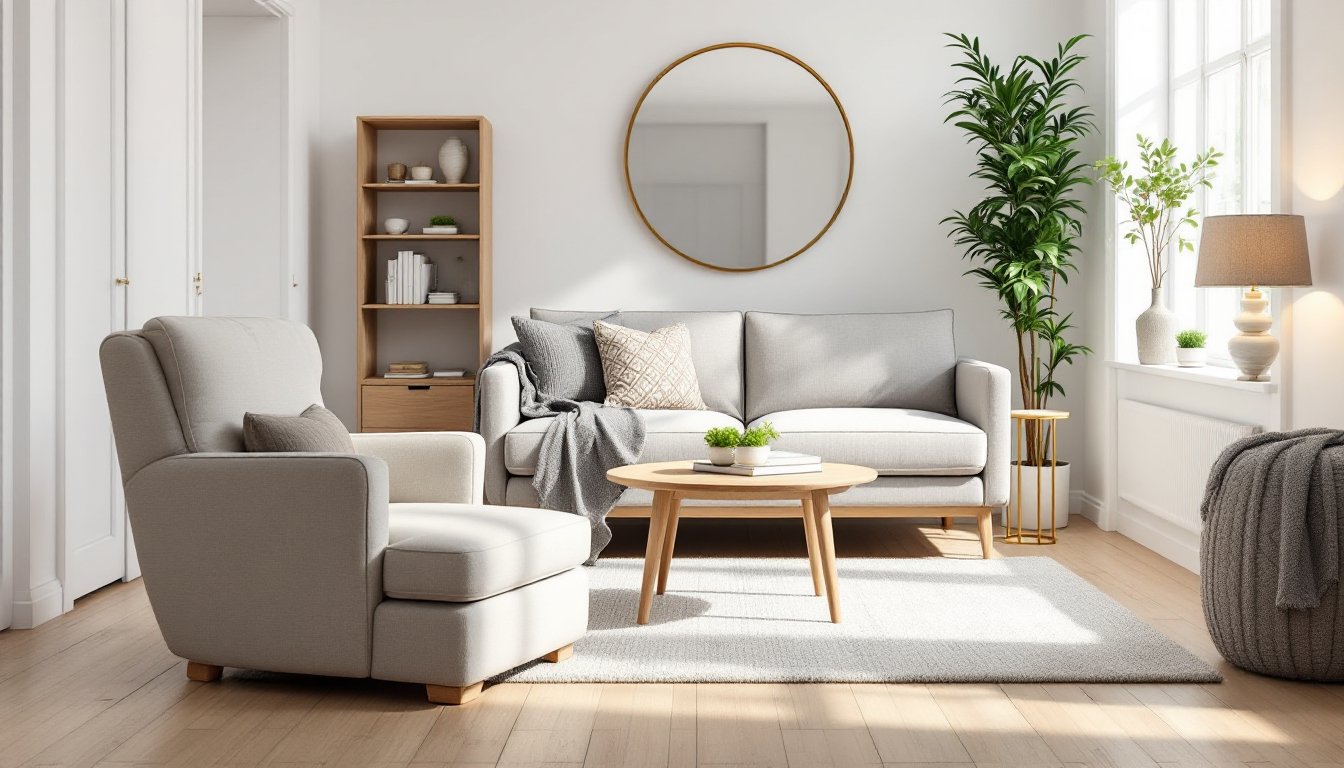

Finding the right sofa for a small living room feels like solving a puzzle, get it wrong, and the space feels cramped: get it right, and suddenly the room breathes. A small living room sofa isn’t just a place to sit: it’s the anchor that defines how functional and comfortable the space becomes. Whether someone’s working with a studio apartment, a cozy den, or a tight family room, choosing a sofa that fits both the footprint and the lifestyle matters. This guide walks through the essentials: what dimensions actually work, which styles maximize space, and the features that deliver real comfort without the bulk.
Key Takeaways
- A small living room sofa should measure 60 to 72 inches wide with a depth under 36 inches to maintain walkways and prevent the space from feeling cramped.
- Modular and compact sectional sofas are ideal for small spaces because they adapt to room changes, fit into corners, and create defined seating zones without consuming extra floor space.
- Exposed legs, low-profile arms, and lightweight upholstery in neutral tones make a small living room sofa feel visually lighter and help the room feel larger.
- Medium-firm cushions with supportive back support prevent sprawling and maximize seating capacity in tight quarters where people sit closer together.
- Pairing your sofa with one accent chair, a proportional coffee table, and vertical design elements like wall shelving creates balance and makes compact living rooms feel intentional and functional.
Understanding Size and Dimensions for Small Spaces
The first rule: measure before shopping. A standard full-size sofa runs 84 to 96 inches wide, too much for most small rooms. For compact living areas, look for sofas in the 60 to 72-inch range, which still seats two to three people comfortably without dominating the room.
Nominal depth matters too. Most sofas measure 32 to 40 inches from front to back: in a tight space, anything under 36 inches preserves walkways and keeps the room from feeling boxed in. Pay attention to arm height and overall silhouette. Low-slung arms and slim frames create an airy feeling, while high backs and chunky frames eat up visual space, even if the footprint is small.
Don’t forget to account for doorways and hallways when moving the sofa in. Measure diagonal measurements through doorframes: a 72-inch sofa might not fit if it needs to navigate a 28-inch hallway at an angle. Some manufacturers offer delivery assembly, which solves this headache entirely and is worth the extra cost if the room access is tight.
Types of Sofas Perfect for Compact Living Rooms
Sectionals and Modular Options
Modular and sectional sofas sound counterintuitive for small spaces, but they’re often the smartest choice. A small L-shaped sectional (say, 75 inches wide by 75 inches deep) fits into a corner and creates defined seating zones without eating floor space the way multiple pieces would. The key is choosing a tight-back, low-arm design, avoid sectionals with deep chaises that sprawl across the room.
Modular sofas shine because they adapt. If plans change or a room gets rearranged, individual pieces move independently. Many modular systems come in compact modules: two-seater bases with armless middle sections that can stretch to fit the space or shrink back down. Brands in the budget and mid-range tiers now offer quality modular options that don’t feel like hand-me-downs.
Loveseat and Apartment-Size Sofas
A loveseat is typically 52 to 65 inches wide and genuinely fits a small room without compromise. Two adults sit shoulder-to-shoulder, or one person sprawls. Loveseats pair well with a single accent chair or Ottoman, creating flexible seating without bulk.
Apartment-size sofas, a modern category that sits between loveseats and standard sofas, measure 70 to 78 inches and seat two people generously or three in a pinch. They hit the sweet spot for small rooms: not too tight, not oversized. Look for models with removable legs or lift-off arms: these features simplify moving and save inches if the sofa ever needs to be repositioned or transported.
Key Features to Look For
Leg style shapes how a sofa sits in a room. Exposed wooden or metal legs (even just 4 to 6 inches high) create visual lightness and make cleaning underneath easier. Skirted sofas, with fabric that extends to the floor, feel heavier and visually shorter, which can make small rooms feel cramped. Conversely, exposed legs open up sight lines and make a small room feel larger.
Arm height and style are equally important. Low, slim arms (8 to 12 inches) don’t interrupt sightlines, while high or rolled arms (14+ inches) consume visual weight. If the living room doubles as a bedroom or workspace, consider a low-profile arm that doubles as a nap spot without seeming intentional.
Firmness matters more in small rooms because people sit closer together. A sofa that’s too soft or too deep encourages sprawling, which shrinks available seating. Opt for a medium-firm seat cushion with a supportive back that holds up over years of use. High-density foam or a spring system underneath keeps the sofa from sagging into that valley look after six months.
Upholstery choice has practical weight too. Lightweight fabrics in neutral tones or stripes visually expand the space, while heavy velvets or dark colors feel heavier. Performance fabrics resist staining without sacrificing feel, smart if kids, pets, or high traffic is in the picture.
Style and Design Considerations
A small sofa should feel intentional, not cramped. Mid-century modern styles with tapered legs and simple line work punch above their weight in small rooms. The clean geometry makes spaces feel organized, and the silhouette doesn’t try to be too many things at once.
Contemporary and minimalist sofas work for the same reason: fewer details, cleaner lines, and less visual noise. A gray linen or performance fabric sofa with simple frame work becomes a calm backdrop that lets the room breathe.
Neutral upholstery is standard advice for good reason. Whites, grays, taupes, and soft blacks anchor a small room without overwhelming it. This doesn’t mean boring, texture through ribbed fabrics, linen weaves, or subtle geometric patterns adds interest without introducing competing colors. If someone wants color, a single jewel tone (deep teal, ochre, or rust) works better than busy patterns in tight spaces.
Consider how the sofa interacts with existing elements: flooring, wall color, and other furniture. In a room with white walls and light wood floors, a warm gray or beige sofa feels cohesive. Dark walls? A lighter sofa provides contrast and keeps the space from feeling cave-like. Measure the wall behind the sofa before ordering: the sofa shouldn’t take up more than two-thirds of the wall length, or it’ll feel like the room is built around it, not the other way around.
Making the Most of Your Small Living Room
Once the right sofa is in place, layering the room makes the difference. Pair a sofa with one accent chair rather than two, preserving floor space for movement. A small ottoman that doubles as a footrest and hidden storage complements the sofa without requiring additional furniture footprint.
Vertical elements, tall bookshelves, wall-mounted shelving, or floating media consoles, draw the eye up and make the ceiling feel higher. Keep the coffee table proportional: a 36-inch table works better than a sprawling 48-inch one, and round or oval shapes soften the geometry of a small rectangular sofa.
Layering light matters too. A table lamp beside the sofa provides reading light and adds a design touch without the visual heaviness of an overhead fixture. Mirrors opposite windows bounce light and create the illusion of extra space. Throw pillows in complementary textures (linen, wool, cotton) add comfort and a finished look without the expense of reupholstering.
Finally, clearance around the sofa keeps the room from feeling boxed in. Aim for at least 12 to 18 inches of walking space on sides and at least 3 feet in front for a coffee table and movement. A sofa pushed against a wall works: a sofa floating a few inches from the wall with a console table behind it can define a seating zone and actually make the space feel intentional and larger.