
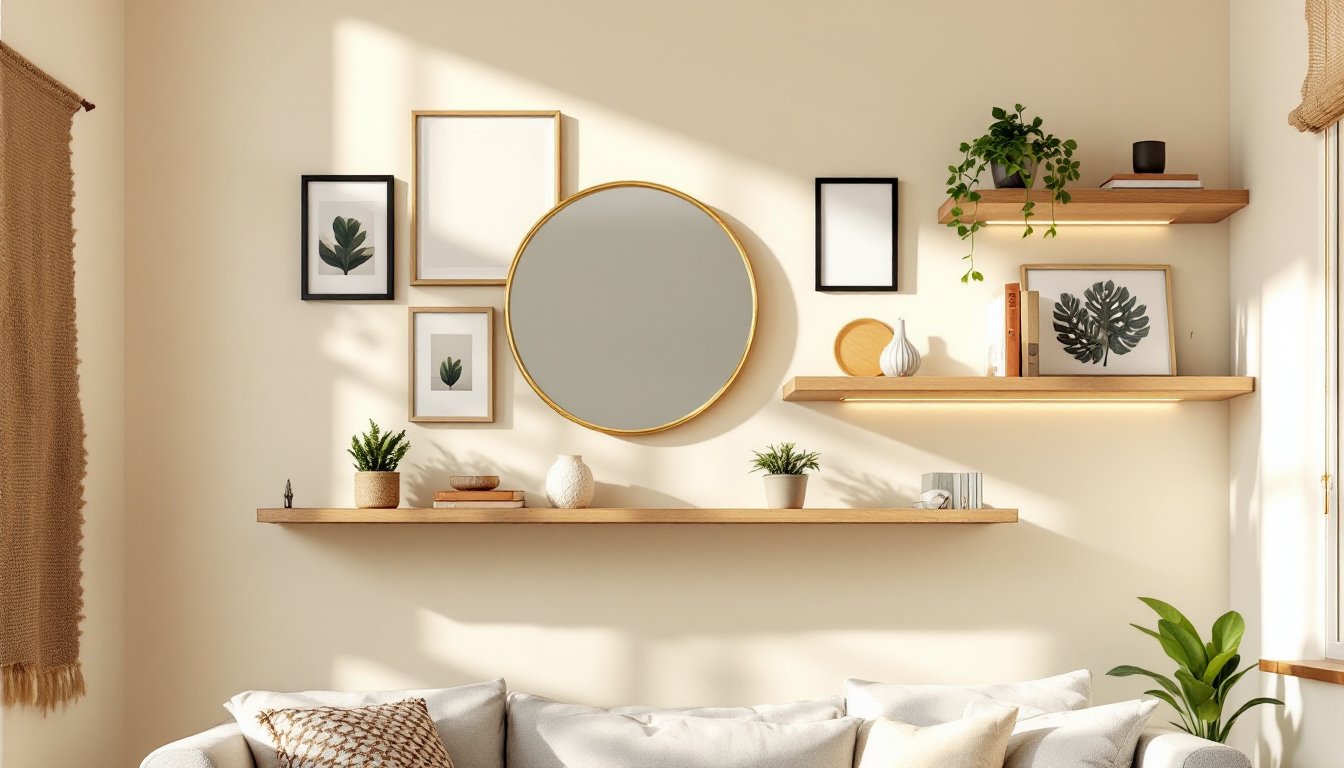

A living room’s walls are like a blank canvas, they set the tone for the entire space. Whether someone’s looking to add warmth, inject personality, or simply refresh a tired room, wall decor is one of the most impactful and budget-friendly upgrades available. Unlike major renovations, these simple living room wall decor ideas require minimal commitment and even less skill. Most can be completed in a weekend with basic tools and materials found at any home center. From floating shelves to accent walls, the options are endless, and they’re well within reach for any DIYer willing to spend a few hours and follow straightforward instructions.
Key Takeaways
- Simple living room wall decor ideas like floating shelves, accent walls, and gallery arrangements can transform a space in a weekend without major renovation commitments.
- Floating shelves require proper stud location and heavy-duty anchors to prevent sagging, with three mounting points recommended for shelves longer than 24 inches.
- Gallery walls succeed when planned on paper or kraft paper templates before drilling, with artwork centered at 57–60 inches from the floor and frames spaced 2–3 inches apart.
- Mirrors and removable wallpaper offer quick mood-boosting alternatives, with mirrors positioned across from windows to maximize natural light and create the illusion of depth.
- Plants and textile hangings add warmth and texture, but require proper installation methods matched to weight—lightweight options use adhesive strips, while heavier pieces need studs or professional-grade anchors.
- Wall lighting requires licensed electrical installation for safety, but plug-in picture lights and LED strips offer simpler decorative lighting alternatives without rewiring.
Floating Shelves for Functional Style
Floating shelves combine storage with visual interest and work in nearly any décor style. They’re practical, holding books, plants, and decor objects, while creating vertical rhythm on otherwise bland walls. Installation is straightforward if the wall is solid, but locating studs or using appropriate anchors is critical.
What You’ll Need:
- Floating shelf kit (typically includes brackets and hardware)
- A 16-inch stud finder to locate wall framing
- 1/4-inch or 5/16-inch lag bolts (if mounting into studs) or heavy-duty wall anchors (for drywall-only mounting)
- Level
- Drill and bit set
- Pencil
Basic Steps:
- Locate studs with a stud finder and mark them lightly with pencil.
- Hold the shelf at desired height and use a level to mark mounting points.
- Drill pilot holes into studs or drywall.
- Install brackets or anchors according to the manufacturer’s instructions.
- Secure the shelf and double-check levelness.
For shelves longer than 24 inches, aim for three mounting points to prevent sagging. Standard drywall anchors handle light loads, books and small décor, but anything heavier requires stud mounting. If the wall has no studs where you want to mount, using toggle bolts or molly bolts rated for the intended load is essential. Don’t guess on weight capacity: verify what your anchors can hold before installing.
Gallery Wall Arrangements That Work
A gallery wall turns a plain wall into a focal point by grouping frames, prints, and mixed media. The key is planning the layout before drilling a single hole, mistakes made at wall height are expensive in terms of patching and repainting.
Setup and Planning:
- Lay all frames and artwork on the floor in your desired arrangement
- Take a photo for reference
- Use kraft paper and painter’s tape to create a full-scale template on the wall
- Mark nail holes through the paper, then remove it and nail
Hanging Tips:
- Use 16d finish nails for frames weighing under 5 pounds
- For heavier pieces, use 50-pound-rated picture hangers
- Hang the center of artwork at eye level, around 57–60 inches from the floor
- Space frames 2 to 3 inches apart for a cohesive, intentional look
- A mix of frame sizes and orientations (horizontal and vertical) creates visual interest
Mismatched frames, different sizes, finishes, and styles, are trendy and forgiving. If someone wants a symmetrical grid, using identical frame sizes keeps things clean and professional. The big mistake is hanging frames too high: they should feel like they’re part of the room, not floating near the ceiling.
Wall Accent Paint and Wallpaper
A painted accent wall or removable wallpaper adds instant personality without the commitment of a full room repaint. Accent walls work best on walls that catch natural light or serve as a visual anchor, like the wall behind a sofa.
Painting an Accent Wall:
- Choose a bold but livable color, test samples on the actual wall in different light conditions first
- Prep the wall: clean, sand lightly, and fill holes with spackling compound
- Apply primer (especially important for dark colors or going from light to dark)
- Cut in edges with a 2-inch angled brush, then roll the field
- Allow 24 hours drying time before moving furniture back
Coverage: One gallon of quality paint covers approximately 400 square feet. Most living rooms need 1–2 gallons for an accent wall.
Peel-and-Stick Wallpaper:
For renters or anyone hesitant about commitment, removable wallpaper offers color and pattern without permanent adhesive. Application is slow, it requires patience to smooth out bubbles, but removal is clean. Traditional wallpaper adhesive is more permanent and professional-looking: hire a pro if considering that route, as proper prep and hanging technique matter.
Both options transform a room’s mood faster than any other single project.
Mirrors to Brighten and Expand Your Space
Mirrors reflect light and create the illusion of depth, making a room feel larger and brighter. They’re functional décor that actively improves the living environment.
Placement Strategy:
- Position mirrors across from windows to bounce natural light throughout the room
- Mount them slightly above eye level for visual lift
- Lean a large mirror on the floor against the wall for a casual, layered effect
- Group smaller mirrors for visual interest
Mounting Considerations:
A single large mirror requires heavy-duty picture hangers rated for at least 50 pounds. Verify the mirror’s weight before selecting hardware. For mirrors over 50 pounds or on walls without accessible studs, a professional installer ensures safety, a falling mirror is a real hazard.
Framed mirrors add style: frameless mirrors feel modern and airy. Gold, black, and natural wood frames complement most décor. Position the lowest mirror edge at least 60 inches from the floor for functionality and proportion. A 24-by-36-inch mirror is a standard size that works in most living rooms without dominating the space.
Textile Wall Hangings and Tapestries
Fabric wall hangings, tapestries, quilts, woven pieces, introduce texture, warmth, and cultural interest to bare walls. They’re also one of the simplest projects: no drilling required if using an adhesive hanging system.
Hanging Methods:
- Removable adhesive strips work for lightweight textiles (under 2 pounds)
- A tension rod threaded through a pocket sewn into the top edge is invisible and clean
- Drapery hangers or clip rings mounted on a lightweight rod offer a gallery-like presentation
- Traditional nail and hook still work for heavier pieces
Size and Placement:
A tapestry should cover 50–75% of the wall for visual impact without overwhelming the space. Hang it at eye level or slightly higher. Ensure whatever mounting method is chosen can support the textile’s weight, many tapestries are heavier than they appear.
Macramé, woven wall hangings, and vintage textiles add bohemian charm. Quilts or decorative blankets bring warmth and pattern. Textile art also softens acoustics, which is a practical bonus in open-plan living areas.
Greenery and Living Wall Options
Plants on walls bring life, literally, into a room. They improve air quality, add color, and create a calming atmosphere. Options range from simple potted plants mounted in clusters to elaborate living wall systems.
Simple Plant Wall Setups:
- Floating shelves stacked with potted plants (see section on floating shelves for mounting)
- Wall-mounted planters screwed directly into studs or using heavy-duty anchors
- Plant hanger rods installed near a window to hang trailing plants from
- Felt wall pockets filled with lightweight succulents or air plants
Maintenance Reality:
Plants need light, most living room walls don’t have enough natural light without a sunny window. South- or west-facing walls work best. Otherwise, consider grow lights: simple LED strip lights designed for plants can be installed above shelves and run on inexpensive timers. Water retention matters too: overwatering kills more plants than underwatering. Choose species suited to your light and humidity, pothos, philodendron, and snake plants tolerate lower light and irregular watering.
Living Wall Systems:
Commercial modular systems exist, but they’re expensive and require professional installation. Stick with shelves and hanging planters for a DIY approach that looks intentional and feels livable.
Wall Lighting as Decor
Wall sconces, pendant lights, and picture lights serve double duty: they illuminate and decorate. Well-chosen lighting transforms mood and functionality in ways paint or artwork alone cannot.
Installation Overview:
Most wall sconces require new electrical wiring and a junction box, which is a job for a licensed electrician unless someone has experience with electrical work. Building codes (NEC standards) vary by jurisdiction, and improper installation creates fire and shock hazards. This isn’t a project to DIY without proper training.
Easier Lighting Options:
- Plug-in picture lights that clamp to a frame, no wiring required
- Battery-operated LED wall lights for accent illumination
- Adhesive LED strip lights installed under floating shelves for indirect light
Placement and Effect:
Flank a mirror with two matching sconces for balance and function. Mount sconces 60–66 inches from the floor for optimal light spread. Dimmers allow control over ambiance: if installing new wiring, request dimmable circuits. Warm white bulbs (2700K color temperature) create cozy living room lighting, while cooler tones feel more energetic.
If in doubt about electrical work, hire a licensed electrician. The safety risk isn’t worth saving a few hours.