
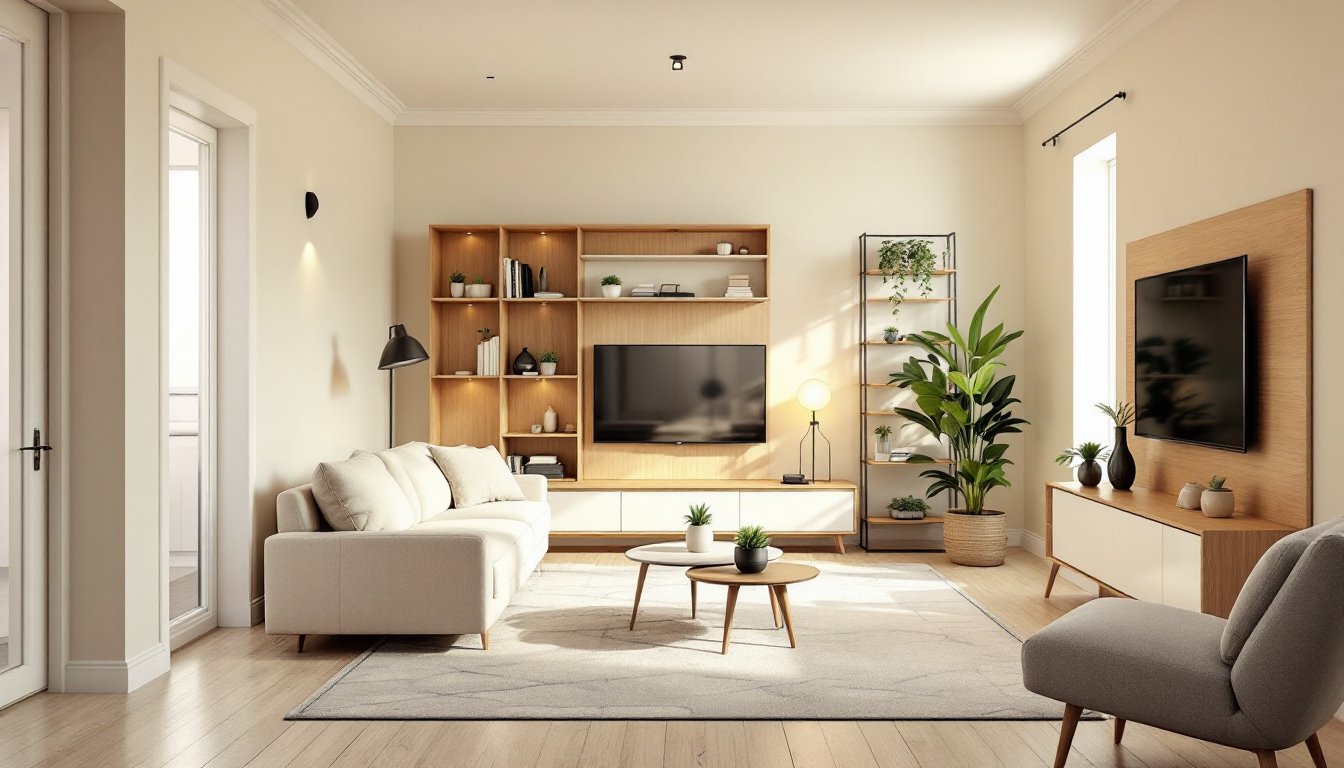

A small rectangle living room presents both a challenge and an opportunity. The elongated footprint can feel narrow and awkward, like a hallway with a sofa, but with intentional planning, it becomes efficient and inviting. The key isn’t buying expensive furniture or knocking down walls: it’s understanding how to position pieces, manage sight lines, and use vertical space strategically. This guide walks through practical decisions a homeowner can make to maximize their small rectangle living room layout, turning an overlooked space into one of the most functional rooms in the house.
Key Takeaways
- Measure your small rectangle living room carefully and define functional priorities before purchasing furniture to prevent overcrowding and impulse decisions.
- Use floating layouts and perpendicular furniture placement instead of pushing everything against walls to create depth and improve traffic flow in a narrow rectangle.
- Maximize vertical space with wall-mounted shelves, tall bookcases, and corner storage to preserve floor square footage and add visual interest without clutter.
- Layer your lighting with ambient, task, and accent fixtures paired with light neutral wall colors to visually expand the room and prevent a cramped feeling.
- Incorporate multi-functional furniture like ottomans with storage, console tables with drawers, and wall-mounted desks to ensure every piece earns its space in a small rectangle living room layout.
Assess Your Space and Define Your Priorities
Before moving furniture around, measure the room carefully. Grab a tape measure and record the length, width, ceiling height, and the position of doors, windows, electrical outlets, and HVAC vents. Note any load-bearing walls, built-in shelving, or architectural features that’ll stay put.
Next, decide what the room needs to do. Does it serve as a primary living area, a secondary flex space, a home office hybrid, or an entertainment hub? Not every small rectangle living room can accommodate a sprawling sectional and a dining table. Being honest about priorities prevents impulse purchases and overcrowding.
Sketch a rough floor plan (graph paper works fine, no software needed). Mark walls, openings, and fixed elements. This visual reference keeps the plan from shifting in your head as you work through furniture options. It’s surprisingly easy to “forget” that a console table won’t fit until you’ve already bought it.
Choose the Right Furniture Layout Orientation
The orientation of your main seating arrangement dramatically affects how the room feels. In a narrow rectangle, resist the urge to run furniture parallel to the long walls. Instead, angle the sofa or position it perpendicular to create visual breaks and improve traffic flow.
Floating layouts work well for small rectangle living rooms. Instead of pushing all furniture against walls (which actually makes small rooms feel cramped), pull the sofa 12–18 inches from the wall. Add a console or low bookcase behind it to define the space and provide storage. This creates depth and makes the room feel intentional rather than default.
The short-wall anchor is another practical approach. Position your sofa or primary seating perpendicular to one short wall. This fills the narrow sightline and creates a sense of completion. Place a low media console or entertainment unit on the opposite short wall, and you’ve immediately bookended the space.
Test layouts before committing. Tape off furniture footprints on the floor using painter’s tape, and live with them for a day. Walk through the room, sit in the “sofa,” and check sight lines to windows, doors, and any TV or focal point. This costs nothing and prevents expensive rearrangement later.
Maximize Vertical Space and Storage
Small footprints demand that storage and visual interest climb the walls. Floor space is precious, so vertical strategy is essential.
Wall-mounted shelving uses zero floor square footage and provides open storage for books, plants, decorative objects, and functional bins. Install shelves 12–16 inches from the ceiling down to just above furniture to maintain sightlines without feeling oppressive. Use adjustable shelving systems so you can adapt as your needs change.
Tall, narrow bookcases and cabinets are better bets than wide, squat furniture pieces. A tall shelving unit (40–50 inches deep, 24–30 inches wide) along one wall stores far more than a wide low dresser in a rectangle room. Pair it with a floating shelf or two above the sofa for additional display space.
Corner utilization matters in any room, but especially in tight layouts. A tall floor lamp, corner shelving unit, or slim accent table with drawer storage transforms a dead zone into functional real estate. Avoid square or bulky corner furniture, slim, angular pieces keep circulation flowing.
Keep the storage aesthetic: group items by color or size on shelves, use matching baskets or boxes to contain clutter, and leave some open negative space so the shelves don’t visually tax the room. A packed bookcase feels cluttered: a curated one feels intentional.
Use Lighting and Color to Expand the Room Visually
Lighting and color are the invisible tools that make or break a small rectangle living room. Poor lighting makes it feel cave-like and cramped: the right palette opens it up.
Layered lighting (ambient, task, accent) prevents the “interrogation room” effect of a single ceiling fixture. Install dimmable ceiling lights or track lighting for ambient illumination, add table lamps beside seating for reading, and include wall sconces or strip lighting behind shelves for accent and depth. LED bulbs in warm white (2700K) feel cozier than cool white, and they won’t add heat during summer.
For color strategy, light, neutral walls (white, cream, soft gray, warm beige) reflect light and visually expand the space. If color matters to you, keep walls subtle and introduce personality through textiles, art, and decor, it’s easier to swap out a throw pillow than repaint an entire room. Avoid dark or saturated wall colors in small spaces unless you want a cozy den effect: otherwise, they shrink perception.
Mirrors and reflective surfaces amplify natural and artificial light. A large mirror opposite a window bounces daylight deeper into the room. A glass-top console table or metal shelving also reflects light without adding visual bulk. Avoid excessive mirroring (it can feel disorienting), but strategic placement makes a tangible difference.
Create Distinct Zones Without Cluttering
A small rectangle living room can serve multiple functions, seating, work, entertainment, but it needs visual organization to stay readable.
Area rugs define zones without walls. A rug under the sofa and coffee table anchors the seating area. A smaller rug in a reading nook or under a desk signals a separate zone. Rugs also soften acoustics and reduce echo in sparse rooms. In a rectangle, rugs should be proportional: typically 5×7 or 6×8 in smaller layouts.
Furniture clustering creates groupings. Rather than spreading pieces throughout, cluster seating around a focal point (TV, fireplace, window, or art wall). This makes the room feel intentional and ensures no dead zones or orphaned furniture.
Open vs. closed storage balance matters. Keep seating areas relatively open (no clutter under side tables), but use low shelving or credenzas to block sightlines if you need to hide a work zone or litter box. A single console table or low bookcase can separate functions without building a wall.
Avoid the trap of subdividing a small rectangle with too many visual barriers. One rug, one shelf unit, or one lighting accent creates separation: multiple barriers make it feel maze-like.
Incorporate Multi-Functional Furniture and Decor
Every piece in a small rectangle living room should earn its space. Multi-functional furniture isn’t just practical, it’s essential.
Ottomans with hidden storage serve as footrests, seating, a coffee table surface, and a storage bin. Choose one in a neutral fabric that matches your palette. Similarly, console tables with drawers provide surface display and concealed storage below.
Nesting tables and stackable seating can be pulled out when entertaining and tucked away when not needed. A sleeper sofa offers guest accommodation without requiring a dedicated bedroom or daybed to dominate the layout.
Wall-mounted desks fold down when needed and disappear when work is done, perfect for a hybrid living-work space. Pair one with a slim task chair that tucks under the desk.
Lighting fixtures can also be dual-purpose. A floor lamp with a side table attached provides light and a small surface for a coffee cup or remote. A pendant light over a console table serves as both a focal point and functional illumination for a secondary zone.
Decor pieces (art, plants, mirrors) should be chosen deliberately. A large plant in a corner fills vertical space and doesn’t clutter floor area. Wall art above a console gives scale and personality. Avoid purely decorative items that don’t contribute to function or visual interest, every object is real estate in a tight layout.
Conclusion
Transforming a small rectangle living room isn’t about cramming more stuff in or making do with cramped furniture. It’s about planning intentionally, using vertical space smartly, and choosing pieces that serve double duty. Start with a clear layout sketch, prioritize function, and test arrangements before committing. The result, a well-organized, open-feeling room, is worth the upfront thinking. A small rectangle living room, when planned well, becomes more efficient and inviting than a sprawling, cluttered open concept ever will be.