
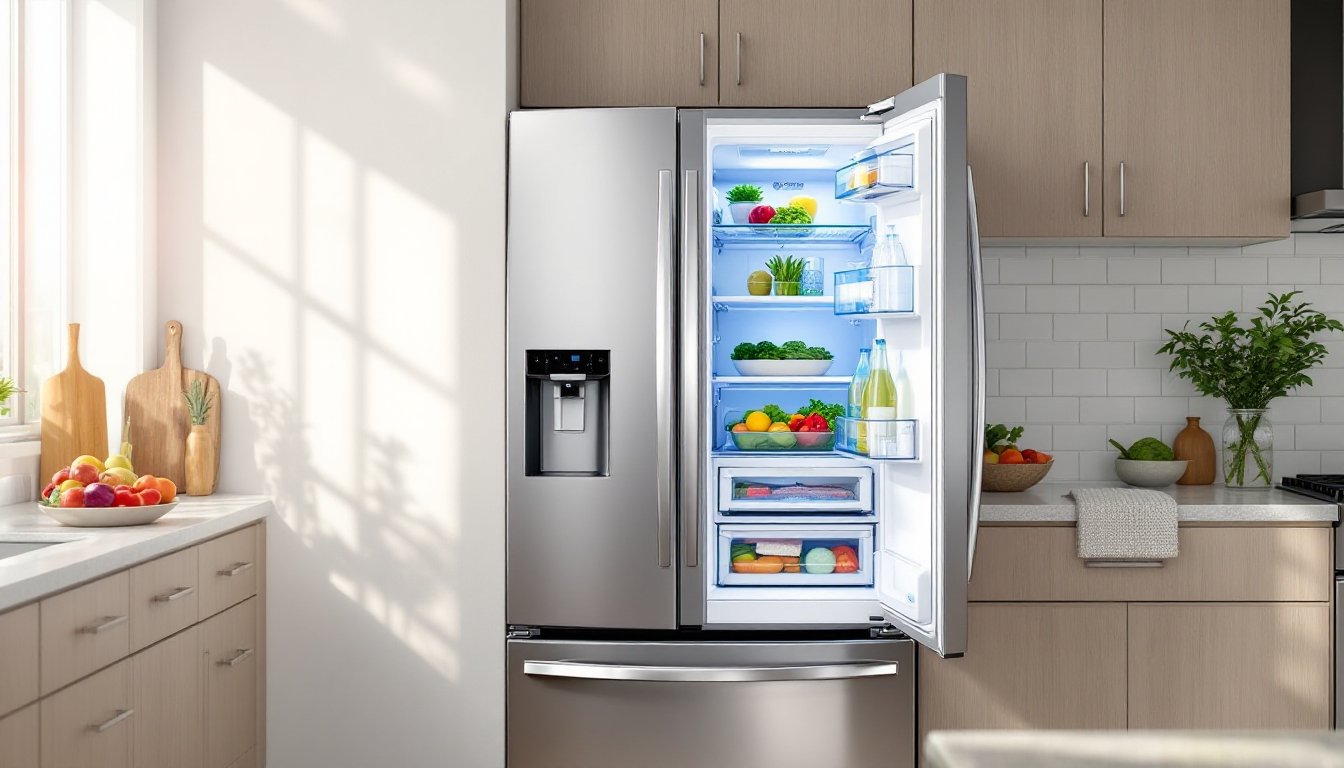

A kitchen refrigerator isn’t just an appliance, it’s the backbone of food storage, meal prep, and daily function. The LG 26 cu. ft. smart counter-depth max French door refrigerator sits at the intersection of serious storage capacity and intelligent design, making it a practical choice for homeowners who want reliability without sacrifice. Whether replacing an aging unit or upgrading to tackle larger family meals and gatherings, understanding what this refrigerator class offers helps DIYers and homeowners make an well-informed choice. This guide covers the real-world benefits, standout features, and what you need to know before installing one in your kitchen space.
Key Takeaways
- The LG 26 cu ft refrigerator offers 30–40% more capacity than standard models while maintaining a counter-depth design that fits standard 36-inch cabinetry without structural modifications.
- Smart features like SmartThinQ app connectivity, Linear Compressor technology, and separate cooling zones provide real-time temperature control and help prevent food waste.
- Energy Star certification delivers 15–20% better efficiency than comparable models from a decade ago, using approximately 700–750 kilowatt-hours annually despite the larger capacity.
- Counter-depth placement improves kitchen aesthetics and accessibility while antimicrobial gaskets and stainless-steel panels reduce mold growth and extend the appliance’s lifespan.
- Proper installation requires measuring dimensions carefully (34–36 inches deep, 35.75–36 inches wide), arranging a dedicated 15–20 amp electrical circuit, and verifying water line access before delivery.
- Allow 24 hours after transport before powering on, ensure 1–2 inches of clearance around the unit for airflow, and plan for professional help if electrical or plumbing work is needed.
Why Choose an LG 26 Cubic Foot Refrigerator
A 26 cubic foot refrigerator strikes a balance that appeals to many households. That’s roughly 30 to 40 percent more capacity than standard 18–20 cu. ft. models, yet it fits within counter-depth dimensions, meaning it doesn’t protrude beyond your cabinetry like a traditional full-depth fridge.
For families of four or more, or households that shop weekly, this capacity handles bulk storage without cramming. The French door design splits the upper fridge section into two smaller openings, reducing the blast of cold air when you’re hunting for items. LG models at this capacity tier typically include dedicated spaces for specialty storage: separate beverage zones, adjustable drawers, and door bins engineered for specific item types.
From a practical standpoint, counter-depth placement matters. It keeps your kitchen sightlines cleaner and makes food retrieval easier, you’re not reaching as far into a deep cavity. If you’re planning a kitchen renovation or replacing an existing unit, a 26 cu. ft. counter-depth model fits standard cabinetry widths (typically 36 inches external, 34–35 inches internal) without requiring custom carpentry or framing adjustments. That saves time, money, and the headache of structural work.
Key Features and Technology
Smart Cooling and Organization
Modern LG refrigerators at the 26 cu. ft. mark come equipped with SmartThinQ technology, a smartphone app that lets homeowners monitor temperature, receive alerts about open doors, and adjust settings remotely. For DIYers and families on the go, this connectivity provides peace of mind and helps prevent food waste from temperature drift.
The cooling system itself uses Linear Compressor technology, which adjusts cooling power in real time rather than cycling on and off in fixed intervals. This means more consistent internal temperatures and less food freezing on the shelf edges, a common frustration with older models. Most 26 cu. ft. LG units also feature separate, dedicated cooling zones for the fridge and freezer, allowing you to dial in the exact temperature each section needs.
Storage flexibility matters in a family kitchen. LG’s French door models typically include adjustable shelving (not just fixed racks), full-width freezer drawers that glide smoothly, and organizational bins designed to prevent spill and sprawl. The refrigerator section often has humidity-controlled crisper drawers, one set can maintain high humidity for leafy greens: another stays drier for carrots and firm vegetables. These aren’t luxuries: they directly extend produce life, cutting waste.
Energy Efficiency and Reliability
A 26 cu. ft. refrigerator uses more electricity than smaller models, so Energy Star certification becomes important. LG’s current lineup meets strict efficiency standards, using around 700–750 kilowatt-hours annually (depending on exact model features). That’s roughly 15 to 20 percent better than comparable non-certified units from ten years ago, even accounting for the larger capacity.
The inverter compressor technology also means quieter operation and longer equipment lifespan. Traditional compressors run hard, stop, run hard, stop, repetitive stress that ages components. An inverter system ramps power up and down smoothly, reducing mechanical wear. Most LG refrigerators in this class carry a 5-year parts-and-labor warranty, with an additional 5-year coverage on the compressor.
Cleanliness and mold prevention have become design features too. LG includes LinerCare stainless-steel door panels and antimicrobial gaskets on many models, the rubber seals that keep cold air in. Gaskets are the most common failure point on refrigerators (they crack, shrink, or lose elasticity), so engineering them to resist mold and degradation extends useful life. If a gasket does eventually wear, replacements are readily available and cost between 50 and 150 dollars, making it an owner-friendly repair versus replacing the whole unit.
Design and Installation Considerations
Installing a 26 cu. ft. counter-depth refrigerator isn’t difficult, but it does require planning. First: measure your opening carefully. Counter-depth units are nominally 34–35 inches deep (interior), but external depth, including handle and hinge, can reach 35.5 to 36 inches. Width is typically 35.75 to 36 inches. Height varies by model, usually 68 to 70 inches. Always compare these dimensions against your current space and note any overhanging cabinets, trim, or baseboards that might interfere.
Electrical placement matters. Your refrigerator needs a dedicated outlet on its own 15-amp or 20-amp circuit, not shared with garbage disposals, dishwashers, or other major appliances. If your outlet is on the wrong side of the unit’s planned location, or if no outlet exists, you’ll need to call a licensed electrician. Running new circuits involves drywall patching, wall fishing, and possible permit work: it’s not a DIY task unless you’re already a skilled electrician.
Water line routing is the second utility consideration. If your LG model includes an ice maker and water dispenser, you’ll need a dedicated cold water supply line. Most homes have a shut-off valve and copper or plastic line running to the refrigerator area: verify it exists before ordering the appliance. If you need to install one, that’s plumbing work, again, call a licensed plumber if you’re not already comfortable with compression fittings and shut-off valve installation.
Delivery and removal come next. Refrigerators are heavy, a 26 cu. ft. model weighs 280 to 320 pounds. Most retailers offer haul-away of your old unit, but verify it’s included in your purchase. For installation, you’ll likely need two people: one to stabilize the unit from tipping while the other guides it into the opening. Wheels or furniture sliders help on your kitchen flooring. Never tilt a refrigerator backward more than 45 degrees while moving it, the compressor can be damaged.
Once positioned, allow 24 hours before plugging it in if it’s been transported. Refrigerants settle, and powering on too soon can strain the compressor. Finally, ensure there’s 1 to 2 inches of clearance on the sides and back for air circulation. Inadequate airflow forces the compressor to work harder and shortens equipment life.
Conclusion
The LG 26 cu. ft. smart counter-depth max French door refrigerator combines ample storage, intelligent cooling, and a footprint that fits modern kitchens without structural headaches. It’s a straightforward upgrade for homeowners ready to replace an aging appliance, and its features, from smartphone connectivity to energy-efficient operation, address real pain points in family food storage. Plan your measurements, arrange utilities in advance, and you’ll have a reliable appliance that works for years.